
 Dr. Paul King
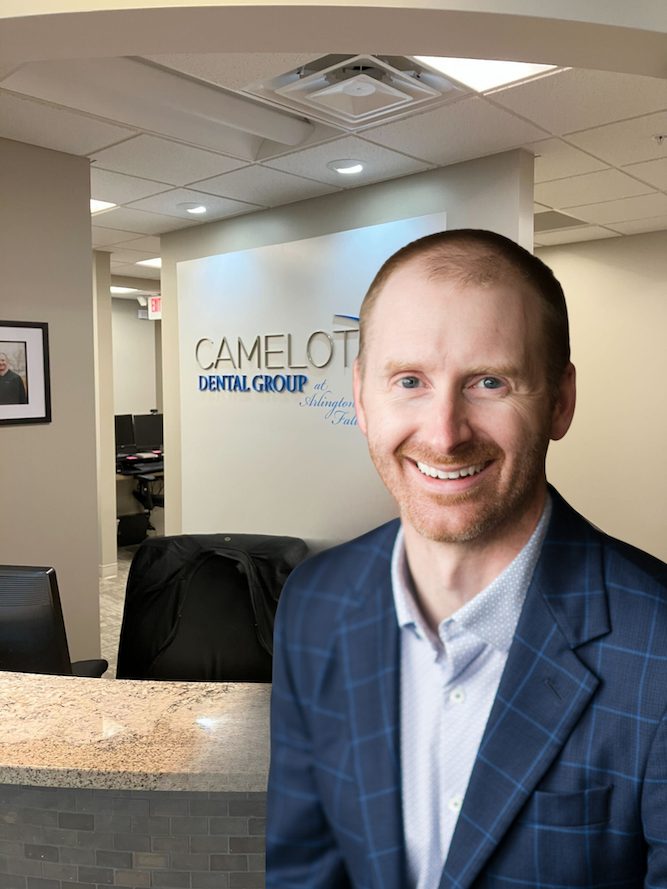 Dr. Chris King
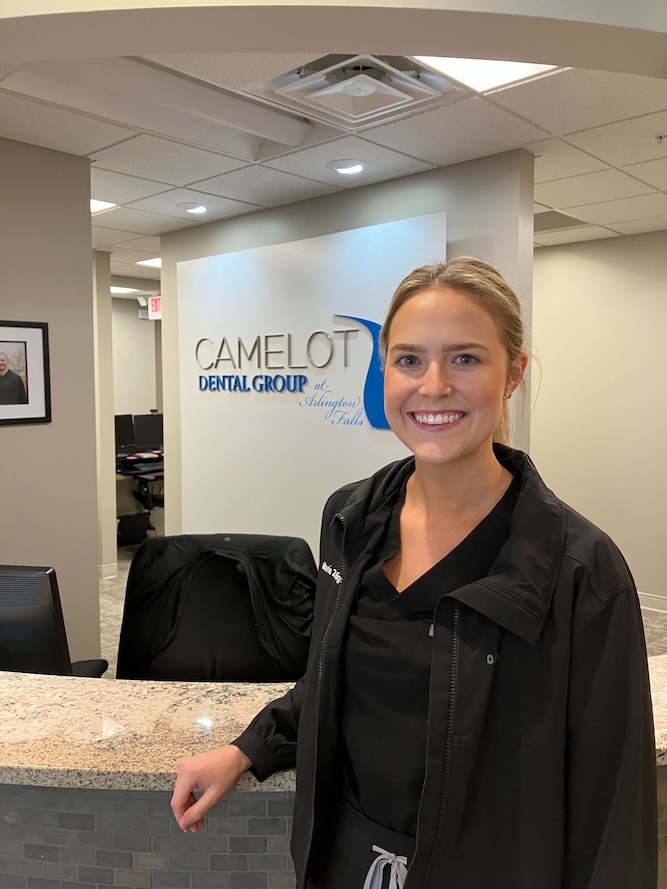 Dr. Maria Zulliger
Comprehensive Care for Dental Injuries in Columbus, OH
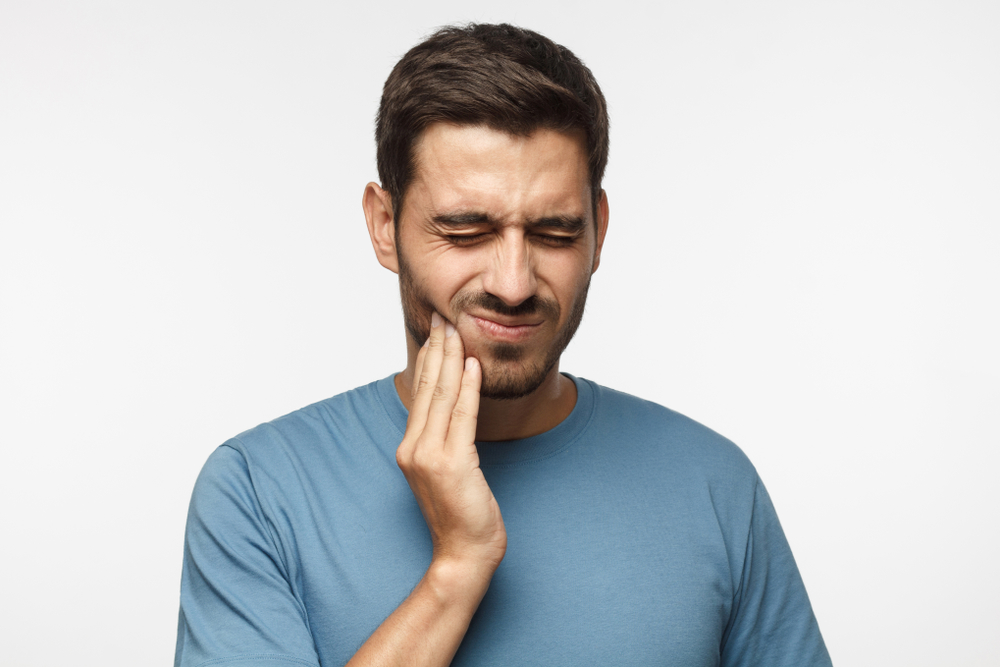
Dental injuries can happen to anyone, at any time. Whether from a sports accident, a fall, or biting down on something hard, damage to your teeth requires immediate attention. Ignoring a dental injury can lead to more severe problems and impact your overall oral health.
At Camelot Dental Group in Columbus, OH, Dr. Paul King, Dr. Chris King, and Dr. Maria Zulliger understand that dental injuries can occur at any time and require prompt attention to prevent long-term complications. From minor chips to severe fractures or displaced teeth, traumatic dental injuries can affect both the appearance and function of your smile. Our experienced dental team is equipped to handle emergencies for patients of all ages, using modern techniques to stabilize the affected tooth, restore function, and maintain your oral health.
Dental trauma may involve permanent teeth, primary teeth in children, the supporting alveolar bone, or surrounding soft tissues. Immediate care is crucial to protect the blood supply, prevent pulp necrosis, and minimize the risk of tooth loss. Whether the injury is minor or severe, the right approach can make the difference in recovery and the long-term health of your teeth.
Common Types of Dental Injuries
Dental injuries vary widely depending on the cause, impact, and age of the patient. The most frequent types include:
- Enamel Fractures: Small chips in the hard outer layer of the tooth caused by impacts from hard objects or falls. Usually painless, but can leave sharp edges.
- Crown Fractures: Damage extending beyond enamel into dentin, sometimes exposing the pulp. Pain and sensitivity may occur, requiring a dental crown or restorative care.
- Root Fractures: Breaks in the root or root surface, often requiring careful monitoring, root canal therapy, or stabilization techniques.
- Displaced or Luxated Teeth: A tooth that has been moved from its normal position can damage the periodontal ligament and surrounding bone.
- Tooth Avulsion: Complete displacement of a tooth from its socket, a severe emergency requiring immediate action to save the permanent tooth.
Less common injuries may include alveolar fractures affecting the jaw, soft tissue trauma, or damage to multiple teeth in facial trauma cases.
Recognizing Symptoms of Dental Injury
Knowing how to identify dental trauma can make a critical difference. Common signs include:
- Visible fractures or chips in the tooth’s crown or enamel
- Pain or tenderness, especially when biting or touching the tooth
- Displacement or looseness of the affected tooth
- Bleeding or lacerations around the gums or lip
- Swelling or bruising of soft tissue
- Sensitivity to temperature changes or sweet foods
- Darkening or discoloration of a tooth indicates potential pulp necrosis
In children, a knocked-out tooth or loosened tooth may be more problematic to identify, particularly in primary teeth, so vigilance is essential. Immediate evaluation by Dr. Paul King, Dr. Chris King, and Dr. Maria Zulliger helps detect potential complications early.
Immediate Steps After Dental Trauma
Prompt action following a dental injury can significantly affect outcomes, especially for permanent teeth. Steps to take include:
- Rinse the mouth with salt water to clean debris and reduce infection risk
- Apply a cold compress to manage swelling in facial trauma
- Retrieve any tooth fragments and keep them in milk or a saline solution
- Avoid touching the root of an avulsed tooth to preserve the blood supply
- Soft foods can prevent further damage if chewing is necessary before treatment
- Call Camelot Dental Group immediately for guidance and scheduling
For severe injuries such as avulsed or displaced teeth, the sooner treatment occurs, the higher the success rate for saving the tooth. Delays can increase the risk of root resorption, infection, or long-term damage to surrounding tissues.
Treating Dental Injuries in Children vs. Health
Dental injuries in children require special consideration because primary teeth are still developing and permanent teeth may be affected. Differences include:
- Children’s teeth have shorter roots and more resilient periodontal ligaments, often allowing better recovery from minor injuries
- Pulp necrosis is a common concern in permanent teeth that erupt after trauma
- Treatment plans may differ; for example, a chipped primary tooth might not require a crown, while permanent teeth often do
- Oral hygiene and supervision are key to ensuring proper healing in young children after trauma
Columbus adults are more likely to sustain severe fractures or root fractures, often requiring endodontic treatment like root canal therapy, dental crowns, or even tooth extraction in extreme cases. At Camelot Dental Group, our team tailors treatment based on age, type of injury, and overall dental health.
Treatment Options for Traumatic Dental Injuries
The treatment for your dental injury depends on its type and severity. For minor chips or fractures, a simple bonding procedure using composite resin can restore the tooth’s shape. More significant damage might require a dental crown to cover and protect the entire tooth. If the injury exposes the tooth’s pulp, root canal therapy may be necessary to remove the damaged tissue and prevent infection.
In the most severe cases, a tooth may be too damaged to save, and tooth extraction could be the only option. Following an extraction, Dr. Paul King, Dr. Chris King, and Dr. Maria Zulliger can discuss replacement options such as a bridge or a dental implant. Our team will assess your specific situation and recommend the best course of action.
Preventing Complications After Dental Trauma
After a dental injury, the goal is to ensure proper healing and avoid long-term problems. One potential complication is pulp necrosis, where the tissue inside the tooth dies due to a disrupted blood supply. This can lead to infection and may require a root canal. Another issue is root resorption, where the body begins to break down and absorb the tooth’s root structure. This can cause the tooth to become loose.
Following the appropriate treatment protocol and attending follow-up appointments are essential for preventing these issues. We will monitor the injured tooth to check for signs of complications. If problems do arise, early detection allows for swift intervention. Following our instructions carefully gives your tooth the best chance to heal correctly and remain healthy for the long term.
Emergency Care and When to Seek Help
Dental emergencies should be treated promptly to minimize permanent damage. Signs that immediate attention is required include:
- Avulsed (knocked-out) teeth
- Severe tooth or jaw fractures
- Intense pain or swelling
- Bleeding that doesn’t stop
- Loose or displaced permanent teeth
Even minor injuries, such as small chips or cracks, benefit from professional evaluation to prevent future dental problems. Promptly calling Camelot Dental Group in Columbus, Ohio, ensures the best outcome for both children and adults.
Steps to Care for Your Teeth at Home After an Injury
While professional treatment is essential, proper home care aids recovery:
- Rinse gently with salt water or an antiseptic solution to reduce infection
- Avoid chewing on the affected tooth
- Take prescribed medications to manage pain and inflammation
- Use a soft-bristled toothbrush and maintain routine oral hygiene
- Follow dietary recommendations, like eating soft foods until healing occurs
For avulsed or severely fractured teeth, properly storing the tooth and contacting our Columbus dental office immediately are crucial to saving it.
Recovery and Follow-Up
Healing from dental injuries often requires multiple visits to monitor:
- Root health and pulp status
- Integrity of restorative work, such as crowns or bonded fillings
- Soft tissue healing along the gum line
- Jaw alignment and bite function
Our team emphasizes a thorough follow-up process, especially for young patients with primary teeth or adults with complex dental trauma, to ensure the best long-term outcomes.
Minimizing Risk of Future Dental Injuries
While you cannot prevent every accident, you can take steps to lower your risk of experiencing dental injuries. Prevention is essential for active children and adults who play sports. Simple precautions can go a long way in protecting your teeth from harm and avoiding the pain and expense of facial injuries.
Consider incorporating these habits into your routine to keep your smile safe.
- Wear a custom-fitted mouthguard during contact sports like football, basketball, or hockey.
- Avoid chewing on hard objects such as ice, pens, or hard candy.
- Do not use your teeth to open packages or bottles.
- Address orthodontic issues like a significant overjet, as protruding upper teeth are at a higher risk of injury.
- Attend regular dental checkups to ensure your teeth are strong and healthy.
Dr. Paul King, Dr. Chris King, and Dr. Maria Zulliger work with patients to identify potential risk factors for traumatic dental injuries, especially in children and athletes, and provide strategies to protect permanent teeth.
Preserve Your Teeth After Dental Trauma
At Camelot Dental Group in Columbus, OH, our team, led by Dr. Chris King, Dr. Paul King, and Dr. Maria Zulliger, is dedicated to providing expert care for dental injuries of all kinds. Whether it’s a minor chip, a cracked tooth, or a severe root fracture, our goal is to restore function, preserve natural teeth, and support long-term oral health.
With prompt evaluation, modern treatment options, and attentive follow-up care, most traumatic dental injuries can be successfully managed, reducing the risk of permanent damage. Our focus is on delivering compassionate, comprehensive care to patients of all ages in Columbus, OH, ensuring their smiles remain healthy, functional, and beautiful.
Call Camelot Dental Group today at 614-451-5115 to schedule an appointment and get professional care for any dental trauma or injury.
Frequently Asked Questions
Below are answers to some of the questions our Columbus patients ask most often about dental injuries.
Still have questions about dental injuries? Call us today to schedule an appointment with Camelot Dental Group.