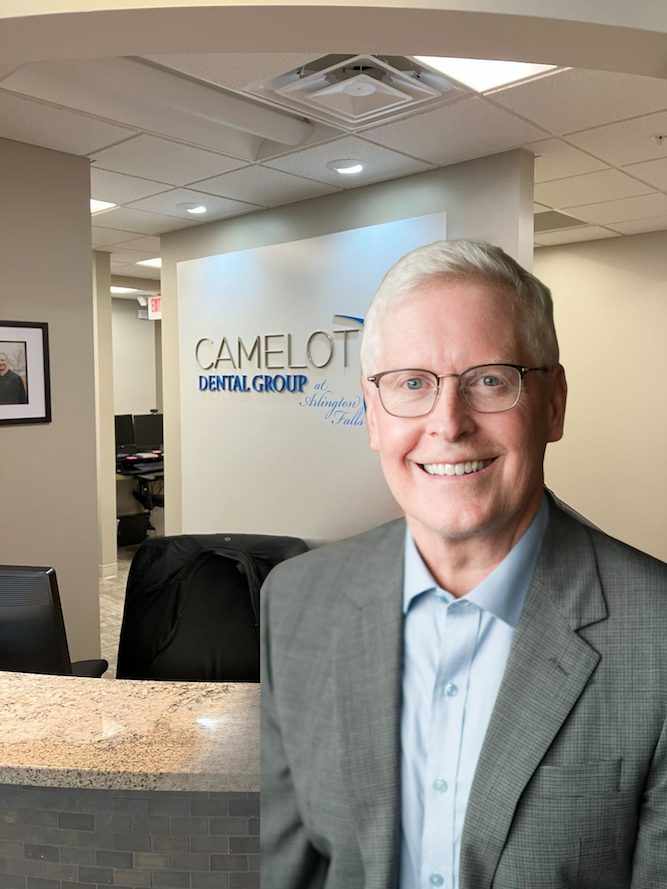
 Dr. Paul King
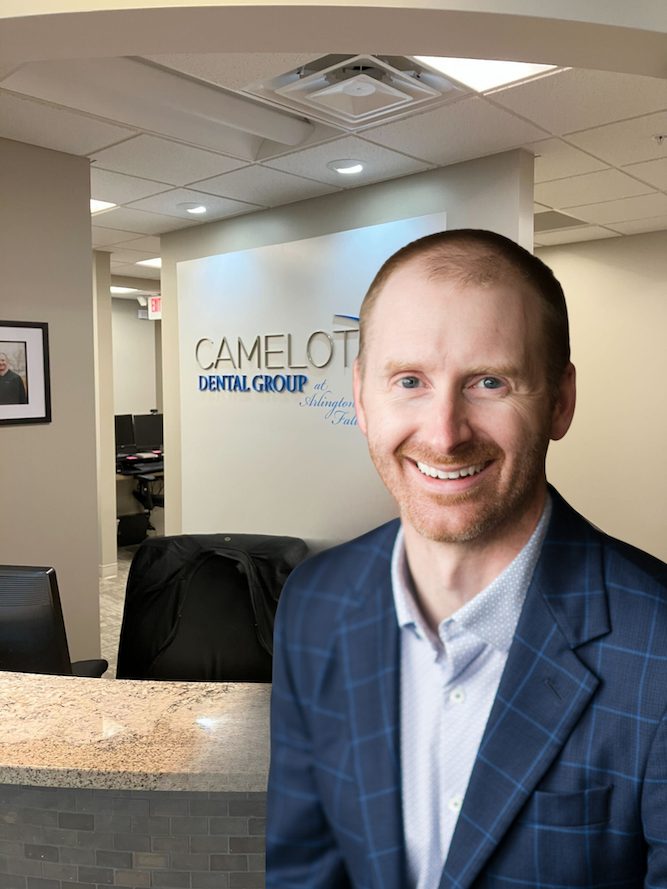 Dr. Chris King
 Dr. Maria Zulliger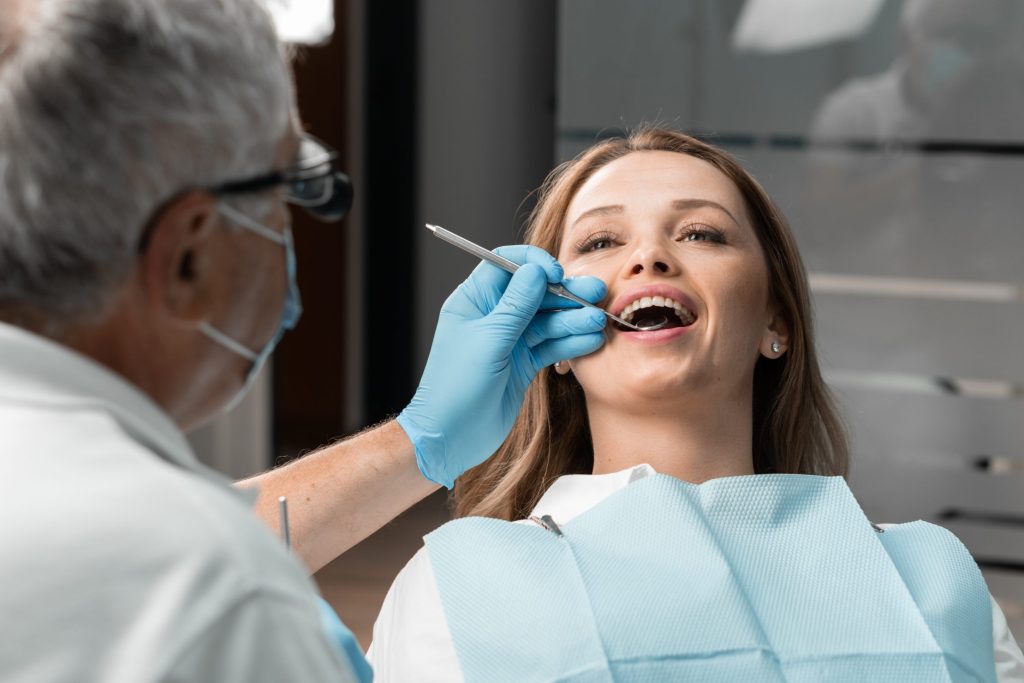
If you keep up with routine dental checkups, you are already doing something powerful for your oral health. Cleanings and exams help prevent cavities and gum problems, but they also create a moment to look for concerns you may not notice at home. One of the most important preventive steps is an oral cancer screening, which supports early detection and peace of mind during regular dental visits at Camelot Dental Group in Columbus, OH.
Oral cancers can develop quietly in the oral cavity and nearby throat tissues. When detected early, you and your healthcare providers often have more treatment options and better outcomes. That is why regular screenings are a smart part of dental care for many patients, including those who feel healthy and have no symptoms.
What an oral cancer screening looks for during routine screenings
An oral cancer screening is a careful check of your mouth and surrounding areas for anything unusual. Your dentist looks for changes in the oral cavity that could signal oral cavity cancer, mouth cancer, or related conditions like oropharyngeal cancers and neck cancer. Many oral healthcare providers follow clinical guidelines and recommendations from organizations like the American Dental Association.
During a screening, your dentist may visually examine areas like your cheeks, gums, tongue, and the floor of your mouth, and may also feel parts of your jaw and neck. This includes checking for swelling or tenderness that could involve lymph nodes. The goal is to detect oral cancer early, before signs become advanced or harder to treat.
Why early detection can protect your quality of life
Early detection matters because oral cancers can affect daily basics like eating, speaking, and smiling comfortably. When concerns are identified early, your medical professionals and dental team can coordinate appropriate next steps for quality care. This can help protect your long-term quality of life, especially when abnormal tissue is smaller and more localized.
Organizations like the National Cancer Institute and the American Cancer Society emphasize the value of catching cancer early. In the United States, screenings and preventive care
play a central role in improving survival rates and reducing the intensity of cancer treatment.
Who is at higher risk? Common risk factors to know
Some patients have a higher risk for oral cavity cancer and related oral cancers due to known risk factors. While risk factors do not guarantee a diagnosis, they help guide how closely your dentist monitors changes over time. Tobacco use is a well-known contributor, including cigarettes, cigars, pipes, and other tobacco products. Smokeless tobacco and tobacco smoke exposure also matter and are worth discussing openly during your visit so your dental team can support you without judgment.
Alcohol use is another factor, especially with ongoing consumption. Human papillomavirus (HPV) is connected to a portion of oropharyngeal cancers. Some populations also face exposure risks from betel quid, used in certain cultural contexts. A history of oral cancer is also important, as prior diagnoses can affect how your care team approaches regular screenings.
Camelot Dental Group believes patients make strong decisions when they have clear information. If you are unsure whether something applies to you, your routine dental checkups are a comfortable place to ask.
What signs of oral cancer should you watch for at home?
You might hear “watch for warning signs” and wonder what that means in daily life. Signs of oral cancer can include changes that last longer than expected. It is always appropriate to bring up concerns, even if they seem small.
Signs to mention include mouth ulcers that do not heal, persistent soreness, a lump or thickened area, or patches that look unusual. Some people notice changes in how something feels when swallowing, which can involve throat tissues. If you spot anything that worries you, schedule an exam rather than waiting for your next routine checkup, as timing supports early detection.
What happens if your dentist finds abnormal tissue?
If something looks unusual during a screening, your dentist will explain what they see in plain, reassuring terms. Many changes in the oral cavity are not cancer, and your dental team’s job is to guide you calmly through what comes next. In some cases, the next step is simply monitoring the area at a follow-up visit, especially if irritation could be linked to biting, friction, or other common causes.
If the area needs a closer look, your dentist may recommend additional tests or a referral to the right healthcare providers for evaluation. Some offices may use tools like special lights or blue dye to highlight areas that deserve attention. If a referral is needed, you will know why, what to expect, and how it connects to protecting your long-term oral health.
How regular dental visits support oral cancer detection
You likely see your dentist more consistently than many other healthcare providers. That consistency is one reason routine dental checkups are such an effective window for preventive care. Your dentist becomes familiar with what is normal for your mouth, making it easier to notice subtle changes over time.
Regular dental visits also create a natural place to talk about habits and lifestyle without fear or pressure. If tobacco use, alcohol use, or tobacco products are part of your life now or in the past, your dentist can help you understand how those choices relate to common risk factors and what steps can reduce risk moving forward. Your cleanings and exams also support good oral hygiene, which reduces irritation and inflammation and makes it easier to notice changes early.
What research and professional guidance say about screening
In healthcare, recommendations evolve as evidence grows. A systematic review may evaluate how screening approaches work across different groups, and professional organizations often update guidance as new data becomes available. While you may not read those studies yourself, your dental team pays attention to best practices and uses them to guide quality care.
At Camelot Dental Group, your screening is part of a patient-first approach to preventive dentistry. Your comfort matters, your questions are welcome, and your understanding is part of the goal. When you feel informed, you have more control of your health and confidence in your next step.
Oral cancer screening in family dentistry: why it helps you plan ahead
In a family dentistry setting, preventive care supports every stage of life. Adults often think about screenings for themselves, but it also helps families build a culture of regular dental checkups and proactive health habits. When you prioritize routine screenings, you model a calm, practical approach to healthcare for the people who look to you.
If you have teens or young adults in your household, it can also be helpful to understand modern risk patterns, including the role of HPV in some oropharyngeal cancers. These conversations do not need to be overwhelming. They can be simple, respectful, and focused on prevention, awareness, and long-term oral health.
Why this matters heading into spring and beyond
Spring often brings a renewed focus on wellness, and organizations like the Oral Cancer Foundation help raise awareness during annual campaigns. That is a great reminder to stay consistent with regular oral cancer screenings, especially if it has been a while since your last dental visit. Prevention works best when it is steady and built into your routine rather than saved for moments of worry.
When you keep up with routine dental checkups, your dental care becomes a supportive rhythm. You get your teeth cleaned, your gums checked, your questions answered, and your oral cancer screening completed with a team that knows you and cares about your comfort.
Schedule your next screening with Camelot Dental Group in Columbus, OH
Your smile deserves protection at every level, from brushing and good oral hygiene to preventive screenings that support early detection. If it has been a while since your last visit, or if you have questions about risk factors like tobacco smoke, smokeless tobacco, or alcohol consumption, Camelot Dental Group is here to help you feel informed and at ease.
Call Camelot Dental Group at 614-618-3813 or request an appointment via text. You will get clear answers, personalized patient care, and the confidence that comes from staying proactive.