
 Dr. Paul King
 Dr. Chris King
 Dr. Maria Zulliger
Dental Sealants: A Key to Preventive Care
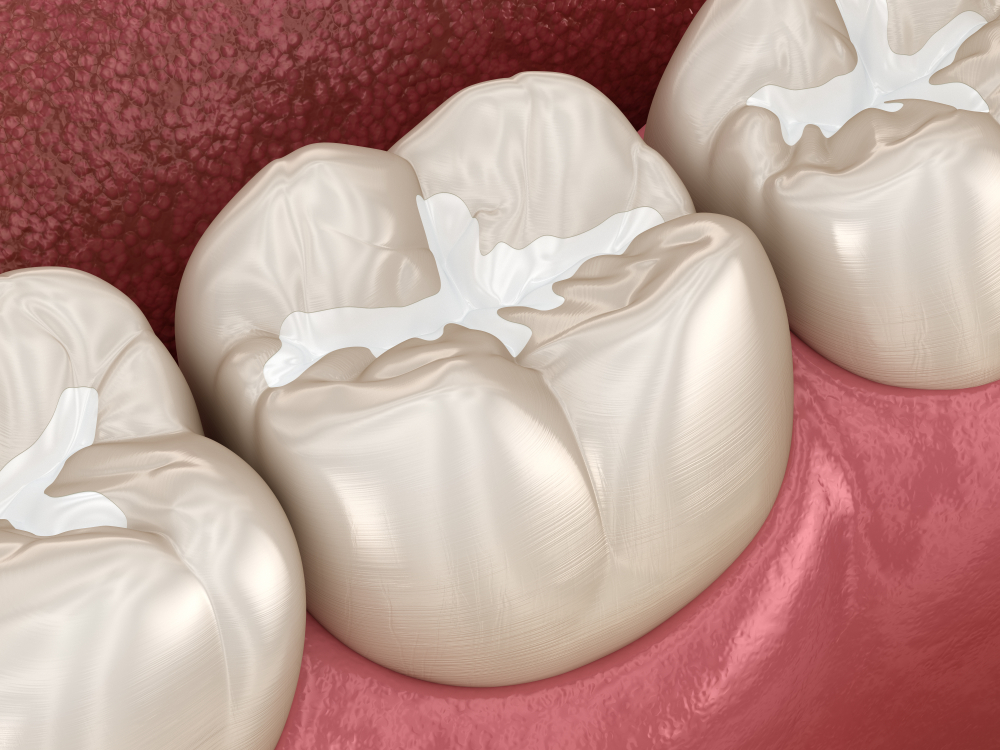
Brushing and flossing are essential for your oral health, but your toothbrush can’t always reach the tiny grooves in your back teeth. These areas can trap food particles and bacteria, leading to cavities.
At Camelot Dental Group in Columbus, OH, we understand that preventing tooth decay is just as important as treating it. Dental sealants offer a simple, painless way to protect your teeth—especially the chewing surfaces of your back teeth—from cavities and decay.
By creating a thin, physical barrier over deep grooves and fissures, sealants help keep food particles and bacteria out, supporting long-term oral health. Dr. Paul King, Dr. Chris King, and Dr. Maria Zulliger work with patients of all ages to determine if dental sealants are the right preventive solution, helping children, teens, and adults maintain healthy teeth and a confident smile for years to come.
What Are Dental Sealants?
Dental sealants are a highly effective preventive treatment designed to protect the chewing surfaces of back teeth, including first and second molars, from tooth decay. These teeth often have deep grooves and fissures where food particles and bacteria can accumulate, increasing their susceptibility to cavities. Our team recommends sealants for children, teenagers, and even adults with teeth that are at higher risk of decay.
Sealants work by applying a thin protective coating—usually made from resin or glass ionomer material—directly to the tooth surface. Once applied, the sealant bonds to the enamel, forming a protective shield that prevents food debris and bacteria from entering the enamel. This barrier can improve oral hygiene and reduce the risk of dental caries over time.
Who Should Get Sealants?
Dental sealants are particularly beneficial for children and teenagers, as their newly erupted permanent molars are more susceptible to decay. However, adults with deep grooves or early decay can also benefit from sealants as a preventive measure. The American Dental Association recommends considering sealants as soon as your child’s first molars appear, typically around ages 6 and 12 for second molars.
At Camelot Dental Group, our dentists evaluate each patient’s oral health to determine if sealants are appropriate. They consider factors such as:
- Presence of deep fissures or grooves in back teeth
- History of cavities or tooth decay
- Oral hygiene habits
- Risk factors like dry mouth or leftover food debris
These thin, plastic coatings provide extra protection for these vulnerable areas, helping prevent cavities.
Can Sealants Be Removed or Applied Over a Cavity or Filling?
Dental sealants are designed to protect healthy, intact tooth surfaces, so they are not typically applied over teeth that already have significant decay or existing fillings. If a cavity or filling is present, Dr. Chris King at Camelot Dental Group will first address the dental issue with the appropriate treatment, such as a dental filling or restorative procedure, before considering a sealant.
In some cases, a sealant can be reapplied or replaced if it has worn down or if minor decay has been treated and removed. Sealants can also be removed if necessary to perform additional dental work, such as a filling or crown. Regular dental checkups ensure that teeth remain properly protected and that sealants remain effective.
Our Dental Sealant Application Process
Applying dental sealants is a quick, painless process that provides long-lasting protection against tooth decay. At Camelot Dental Group in Columbus, OH, Dr. Paul King, Dr. Chris King, and Dr. Maria Zulliger ensure each step is performed with precision to maximize the effectiveness of the sealant.
1. Cleaning the Teeth
Before sealants are applied, the teeth are thoroughly cleaned to remove plaque, debris, and leftover food particles. This ensures that the sealant bonds properly to the tooth surface. Our dental hygienist pays special attention to the deep grooves and fissures of the molars, where decay is most likely to develop.
2. Preparing the Tooth Surface
Once the teeth are clean, a special conditioning liquid is applied to slightly roughen the enamel. This step allows the sealant material to adhere more securely to the tooth. After a brief rinse and drying, the tooth is ready for sealant application.
3. Applying the Sealant
The sealant material is carefully painted onto the chewing surfaces of the back teeth. It flows into the deep grooves, creating a protective barrier that shields against food particles and bacteria. A special curing light may be used to harden the sealant quickly, ensuring it stays in place for years.
4. Checking the Seal
Finally, one of our dentists or hygienists checks the sealant to ensure it completely covers all vulnerable areas. They may also test your bite to ensure it feels comfortable and natural. With proper care and regular dental visits, the sealant can provide long-term protection against cavities and decay.
Benefits of Dental Sealants
Dental sealants offer a simple yet highly effective way to protect your teeth, particularly the chewing surfaces of your back teeth, from decay and cavities. At Camelot Dental Group in Columbus, OH, Dr. Paul King, Dr. Chris King, and Dr. Maria Zulliger use sealants to complement regular dental hygiene practices, helping patients of all ages maintain optimal oral health.
Prevent Tooth Decay
Sealants form a protective barrier over deep grooves and fissures on your molars, where food particles and bacteria often accumulate. This extra layer shields your teeth from acids and bacteria that can cause cavities, significantly reducing the risk of cavities.
Long-Lasting Protection
With proper care and regular dental visits, dental sealants can last for several years. They offer durable coverage that protects both permanent molars and, in some cases, primary teeth, providing peace of mind for parents and adults alike.
Easy and Painless Application
The sealant process is quick, non-invasive, and completely painless, making it an excellent preventive treatment. Unlike other dental procedures, there’s no drilling or anesthesia required, so it’s a comfortable experience for patients of all ages.
Cost-Effective Preventive Care
By preventing cavities and tooth decay, sealants help you avoid more extensive and expensive dental treatments in the future. They are an investment in long-term oral health, preserving your natural teeth and supporting a healthy, confident smile.
How Long Do Sealants Last?
With proper care, dental sealants can last several years, often protecting until the tooth naturally wears down or a child’s adult molars fully mature. Regular dental visits allow Dr. Chris King and the dental team at Camelot Dental Group to check the integrity of sealants, repairing or reapplying them as needed to maintain optimal protection.
The longevity of a sealant depends on factors such as chewing habits, oral hygiene practices, and dietary habits. Foods that are particularly sticky or hard may gradually wear down the sealant, but even if a sealant shows slight wear, it still helps prevent cavities. In addition, consistent brushing, flossing, and fluoride use support the sealant’s durability. Timely maintenance ensures that the patient continues to benefit from this simple yet highly effective preventive treatment, keeping teeth strong, healthy, and resistant to decay over the long term.
Dental Sealants and Oral Hygiene
Dental sealants play an important role in supporting good oral hygiene by protecting teeth from cavities and decay. While sealants provide a physical barrier on the chewing surfaces of molars, they work best when combined with consistent oral hygiene practices. Dr. Paul King, Dr. Chris King, and Dr. Maria Zulliger emphasize the importance of daily care to maximize the benefits of sealants and maintain overall dental health.
Even with sealants in place, maintaining proper oral hygiene helps prevent decay around the edges of the sealant and on other teeth. Key practices include:
- Brush twice daily: with fluoride toothpaste to remove plaque and food debris from all tooth surfaces, including sealed areas.
- Floss once daily: Clean between teeth to prevent cavities in areas where sealants don’t cover.
- Regular dental checkups: Sealants should be inspected during routine visits to ensure they remain intact and effective.
- Healthy diet choices: Limiting sugary foods and drinks reduces the risk of decay and prolongs the life of sealants.
By combining dental sealants with good oral hygiene, patients of all ages in Columbus can significantly reduce the risk of cavities, protect their natural teeth, and enjoy a healthier, longer-lasting smile.
Learn More About an Effective Way to Protect the Surfaces of Teeth
By combining dental sealants with a strong oral hygiene routine, patients of all ages can significantly reduce the risk of tooth decay and protect their natural teeth. Sealants provide a durable barrier on the chewing surfaces of molars, while regular brushing, flossing, and professional dental checkups ensure that the rest of your teeth remain healthy. At Camelot Dental Group in Columbus, OH, Dr. Paul King, Dr. Chris King, and Dr. Maria Zulliger prioritize preventive care, educating patients on how to care for their sealants and maintain optimal oral health.
With proper maintenance, sealants can last for many years, offering long-term protection and supporting a lifetime of healthy smiles. Whether for children, teens, or adults, incorporating sealants into your dental care routine is an effective and painless way to prevent cavities and safeguard your teeth.
Call us at 614-451-5115 to schedule an appointment and learn how dental sealants can enhance your oral health and give you peace of mind.
Frequently Asked Questions
Below are answers to some of the questions our Columbus patients ask most often about dental sealants.
Still have questions about dental sealants? Call us today to schedule an appointment with Camelot Dental Group.