
 Dr. Paul King
 Dr. Chris King
 Dr. Maria Zulliger
Dental Implant Restoration: Your Path to a Renewed Smile
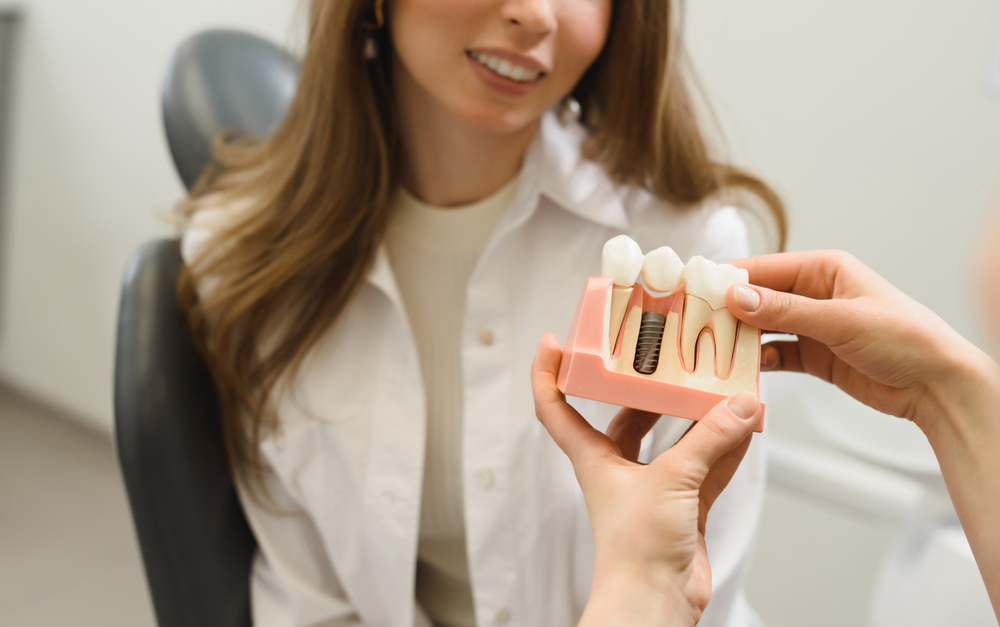
When a dental implant crown becomes loose, worn, or damaged, restoring it promptly is essential to protect your oral health, maintain comfortable function, and preserve your tooth replacement investment. At Camelot Dental Group in Columbus, OH, Dr. Paul King, Dr. Chris King, and Dr. Maria Zulliger provide high-quality dental implant restoration designed to repair and reinforce your artificial tooth so it looks, feels, and works just like your natural teeth.
Dental implants require proper care throughout their lifespan, and even though the titanium implant itself can last for decades, the prosthetic crown may eventually need repair or replacement. When this happens, our office is equipped with the technology, experience, and treatment options to help you maintain healthy teeth, avoid further oral health issues, and restore full function.
What Is Dental Implant Restoration?
Implant restoration refers to the process of repairing, rebuilding, or replacing the artificial tooth attached to a dental implant so it continues to function like a natural part of your smile. While the titanium implant itself is designed to integrate with the bone and stay firmly in place, the visible portion—the dental crown, bridge, or denture—can experience normal wear, accidental damage, or changes in fit over time. When this happens, our team works to restore the implant-supported tooth so you can chew comfortably, speak clearly, and maintain a healthy, confident smile.
Restoring an implant protects your oral health by preventing issues such as shifting teeth, gum irritation, or uneven bite pressure. It also preserves the implant’s role as a stable foundation for your artificial tooth, helping your restoration look natural and function just as it should—for years to come.
Why Implant Restoration May Be Needed
Even though dental implants are known for their durability, the crown on top of the implant experiences daily wear and tear. Some dental issues increase the likelihood of needing restoration, such as:
- Long-term grinding or clenching
- Biting into hard foods
- Gum disease or inflammation
- Accidents, falls, or sports injuries
- Natural aging of the dental materials
- Health conditions that weaken enamel or bone
Improper cleaning can lead to excess dental plaque, irritation, or gum recession, which may also require the crown to be replaced. Damaged crowns should never be ignored, as waiting too long can lead to more complex oral health issues or even affect the titanium implant beneath it.
Your Options for Implant Restoration
Every Columbus patient’s needs are different, so the restoration process depends on the condition of the dental crown, the health of the surrounding gum line, and the stability of the titanium implant underneath. During your initial consultation, one of our general dentists will examine the entire implant system, including the artificial tooth root, the top of the implant post, and the crown, to determine which part of the implant requires attention.
Your available restoration options may include:
- Repairing a chipped or cracked crown caused by biting hard foods or long-term wear
- Replacing a worn or fractured crown that can no longer support proper dental function
- Reattaching a loosened implant crown if the screw or internal abutment shifts
- Adjusting the crown fit to improve comfort, reduce irritation, or correct your bite
- Restoring crowns affected by gum disease or changes in bone structure
These treatment plans are designed to fit your specific needs, support your oral cavity as a whole, and help you maintain a stable foundation for your artificial tooth. Properly restoring a dental implant prevents further damage and offers numerous benefits for your long-term dental health.
What Goes Into a Dental Implant Crown Repair?
A broken implant crown can feel stressful, but repairing it is usually straightforward. Our team begins by evaluating the damaged portion of the implant. In most cases, only the visible portion, the crown, is affected. The titanium implant and abutment underneath often remain stable, which means the next step is simply determining how much of the crown needs to be repaired or replaced.
If the crown has minor damage, such as a small chip, we may be able to repair it directly at the dental office. When a crown is cracked or broken, or when poor oral hygiene or grinding has caused excessive wear, a new crown may be the better solution.
Throughout the entire process, Dr. Paul King, Dr. Chris King, or Dr. Maria Zulliger ensures the fit, shape, and color of your crown match your natural teeth. This helps protect the integrity of your implant, maintain your smile’s appearance, and support healthy chewing function.
Understanding the Implant Restoration Process
The dental implant restoration process is designed to address your individual dental issues while maintaining the stability of your implant. During your visit, our team will:
- Examine the top of the implant and the surrounding gum tissue
- Check for signs of gum disease, bone loss, or implant failure
- Evaluate the dental crown for cracks, chips, or wear
- Ensure the abutment and implant placement are stable
- Recommend treatment options that support your patient’s needs and long-term oral health
If the implant is intact, the restoration focuses solely on the crown. In cases where bone loss or periodontal conditions are present, Dr. Paul King, Dr. Chris King, or Dr. Maria Zulliger may recommend additional dental care or oral surgery solutions before completing the crown restoration. This approach ensures your implant remains strong, your bite remains balanced, and the entire process protects your overall health.
Benefits of Implant Restoration
A damaged or loose implant crown can affect your ability to chew, speak clearly, or maintain good oral hygiene. Restoring it promptly helps you avoid more serious dental problems down the road.
The benefits of dental implant restoration include:
- Support for long-term oral health
- Protection against further damage to the implant
- Improved comfort and natural bite alignment
- Reinforced durability and function
- Reduced risk of bone loss and gum irritation
- A restored, natural appearance that blends seamlessly with your natural teeth
Dental implant restoration also helps prevent issues like shifting teeth, excessive wear on adjacent teeth, and irritation of the gum line. These advantages make it a vital part of maintaining both your dental function and overall oral health.
How We Determine the Right Treatment for Your Implant
Every dental implant restoration is unique, and the first step is to understand exactly which part of the implant is affected. When you visit our Columbus office, Dr. Paul King, Dr. Chris King, or Dr. Maria Zulliger will begin with a detailed evaluation of the implant site, your bite, and the health of the surrounding gum tissue. From there, they review your medical history, previous dental work, and any symptoms you’ve noticed, such as discomfort, changes in function, or visible wear along the gum line.
To create the most accurate treatment plan, the team may use digital imaging or other advanced diagnostic tools to assess the stability of the titanium implant beneath the crown. Once they determine whether the issue involves the artificial tooth, the implant post, or the crown’s fit against neighboring teeth, they can recommend the appropriate next step. This careful, personalized approach ensures your dental implant restoration supports long-lasting oral health and a strong, stable smile.
Protecting Your Implant After Restoration
After your new or repaired crown has been placed, keeping it in excellent condition is the best way to protect your investment. Proper care helps prevent future damage, reduces the risk of gum disease, and keeps your dental restoration functioning for years to come.
To maintain healthy teeth and a strong dental implant:
- Brush twice a day using a soft-bristle toothbrush
- Floss around the implant daily
- Avoid chewing ice or overly hard foods
- Wear a nightguard if you grind your teeth
- Attend regular dental visits for exams and cleanings
- Use professional dental products recommended by our team
Good oral hygiene is essential for preventing inflammation around the implant and supporting your long-term oral health.
When to Call Our Columbus Office for Implant Concerns
Even though dental implants are designed to be incredibly reliable, changes in the way your crown feels or functions should always be taken seriously. Reaching out early gives one of our experienced dentists the chance to protect the stability of your implant and prevent more complicated oral health issues down the line. You should contact our Columbus, OH, dental office right away if you notice any of the following:
- A cracked or chipped crown
- Sudden discomfort, pressure, or sensitivity around the implant
- A loose crown or a bite that no longer feels even
- Gum swelling, redness, bleeding, or tenderness
- Any signs of infection or drainage
- Difficulty chewing comfortably or avoiding certain foods
Prompt attention helps us address problems while they’re still manageable and keeps your restoration secure for the long term.
Learn More About Implant Restoration Today
A well-maintained dental implant can last many years, and restoring your crown is one of the most essential parts of proper dental care. Whether your artificial tooth has become worn, damaged, or loose, Dr. Paul King, Dr. Chris King, or Dr. Maria Zulliger and our Columbus team are here to help you protect your oral health and keep your smile functioning at its best.
Don’t let your smile lose its luster. You can learn more about the dental implant restoration process or schedule an assessment by calling us at 614-654-5112!