
 Dr. Paul King
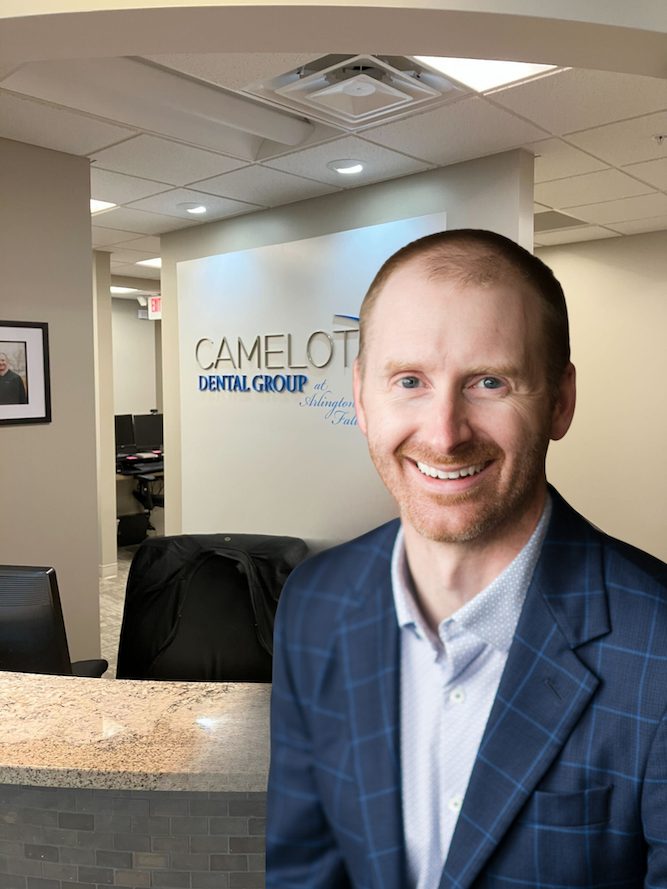 Dr. Chris King
 Dr. Maria Zulliger
You probably associate acid reflux affect teeth problems with heartburn or digestive discomfort. But did you know that gastroesophageal reflux can quietly damage your smile while you sleep? Stomach acid reaching your mouth doesn’t just cause a burning sensation in your chest. Over time, repeated acid exposure can wear away tooth enamel and lead to serious dental problems that show up during routine exams.
At Camelot Dental Group in Columbus, OH, Dr. Paul King, Dr. Chris King, and Dr. Maria Zulliger often notice early signs of dental erosion before patients realize they have a reflux issue. Understanding the connection between acid reflux and oral health helps you protect your teeth and take action before minor wear becomes a major concern.
How Gastroesophageal Reflux Disease Affects Your Oral Cavity
Gastroesophageal reflux disease occurs when stomach acid flows backward into your esophagus and sometimes reaches your mouth. This happens most often when you’re lying down, which is why nighttime reflux episodes can be particularly harmful to your dental health. While you sleep, your body produces less saliva, which normally helps neutralize acids and wash away food particles. With less saliva available, stomach acid sits on tooth surfaces longer and causes more damage.
The hydrochloric acid from your stomach is extremely powerful. It’s designed to break down food, but when it comes into contact with your teeth, it starts breaking down the hard outer layer of tooth enamel. This process, called dental erosion, happens gradually over time. You might not notice the acid damage right away, but your dentist can spot the warning signs during a comprehensive oral exam.
Silent reflux is especially tricky because it doesn’t always cause the classic burning sensation or heartburn that alerts you to stomach problems. Some patients experience frequent stomach upset or acid indigestion without realizing that acidic juices are reaching their mouth and affecting their teeth. That’s why regular dental hygiene exams are so important. They give your dental team a chance to catch early signs of tooth erosion before it progresses.
What Does Acid Erosion Look Like on Your Teeth?
When stomach acid repeatedly contacts your teeth, it wears away the protective enamel that covers each tooth. Your dentist may notice several telltale patterns during your exam. Dental erosion often appears on the inside surfaces of your teeth, particularly the ones closest to your throat. The chewing surfaces of back teeth can also show unusual wear patterns that don’t match normal grinding or chewing.
As the enamel thins, the underlying tooth structure becomes more visible. Teeth may start to look slightly transparent around the edges or take on a yellowish color as the softer layer beneath the enamel shows through. You might also notice that your teeth feel different or develop tooth sensitivity to hot, cold, or sweet foods and drinks. These changes happen because the enamel that once protected the inner layers of your tooth has been compromised by acid exposure.
In more advanced cases, acid erosion can create small indentations or cups on the surfaces of your teeth. The edges of front teeth may become thinner or appear slightly worn down. Your dentist will carefully examine all tooth surfaces during your cleaning appointment, looking for these patterns that suggest acid damage rather than typical tooth wear from age or diet.
Early Warning Signs Your Dentist Notices During Routine Exams
One of the most valuable aspects of preventive dentistry is catching problems before they cause pain or require extensive treatment. During your dental hygiene exam at Camelot Dental Group, your dental team evaluates your teeth, gums, and overall oral health. They’re trained to recognize early signs of enamel erosion that might indicate gastroesophageal reflux, even if you haven’t mentioned digestive health concerns.
Your dentist may notice that certain areas of your dental enamel appear smoother or shinier than normal. Healthy enamel has a slightly textured surface, but acid erosion can polish it down to an unnaturally smooth finish. They might also see that fillings or dental restorations appear raised above the surrounding tooth surface because the natural enamel around them has worn away faster than the restoration material itself.
Tooth sensitivity is another common early indicator. If you mention discomfort when drinking cold water or eating certain foods, your dentist will investigate whether thinning enamel from acid damage could be the cause. They’ll also check for signs of tooth decay that can develop more easily once the protective enamel layer is compromised. Harmful bacteria find it easier to attack weakened tooth structure, increasing your risk of cavities.
How Does Acid Reflux Lead to More Serious Dental Problems?
Left untreated, ongoing acid erosion doesn’t just affect the appearance of your teeth. It can lead to significant dental problems that require restorative care. As enamel continues to thin, tooth sensitivity often becomes more severe and constant. Simple activities like brushing your teeth or breathing cold air can trigger discomfort. The tooth structure beneath the enamel is much softer and more vulnerable to decay, which means cavities can develop faster and penetrate deeper.
In severe cases, extensive enamel loss can lead to tooth wear that affects your bite and jaw function. Teeth may become shorter, change shape, or develop sharp edges. Some patients eventually experience tooth loss if the damage progresses without intervention. While these outcomes sound alarming, they’re preventable with proper dental care and attention to the underlying causes of your stomach troubles.
When acid damage is caught early during routine dental exams, your dentist can recommend treatment options to protect your remaining enamel and restore any damage that’s already occurred. This might include fluoride treatments to strengthen weakened enamel, dental crowns to protect severely worn teeth, or veneers to restore the appearance and function of front teeth affected by erosion. The goal is always to preserve as much of your natural tooth structure as possible while preventing further damage.
Why Nighttime Reflux Is Especially Harmful to Your Teeth
Acid reflux that occurs while you’re sleeping poses unique challenges for your oral health. During the day, you naturally produce more saliva, which helps wash away acids and neutralize their effects. Saliva production also delivers minerals that support the remineralization process, helping to repair minor enamel damage before it becomes permanent. But when you sleep, saliva production drops significantly, leaving your teeth more vulnerable to acid damage.
A reflux episode at night means stomach acid can pool around your teeth for hours without being neutralized or rinsed away. The acid sits on tooth surfaces, slowly dissolving the minerals that make up your dental enamel. Over time, this repeated exposure creates the erosion patterns your dentist recognizes during exams. Even if you brush with fluoride toothpaste before bed, nighttime acid exposure can still cause significant harm because the acid continues to contact your teeth throughout the night.
Protecting Your Teeth When You Have Acid Reflux Disease
If you’ve been diagnosed with gastroesophageal reflux or suspect you might have reflux-related dental erosion, there are steps you can take to protect your teeth while you address the digestive health issue with your doctor. Your dental practice can work with you to create a care plan that minimizes further damage and supports your oral health during treatment.
Professional fluoride treatments are one of the most effective ways to strengthen tooth enamel and make it more resistant to acid erosion. At Camelot Dental Group, fluoride applications deliver concentrated minerals directly to your tooth surfaces, helping to rebuild weakened enamel and reduce tooth sensitivity. These treatments are quick, comfortable, and can be part of your regular cleaning appointment. Using fluoride toothpaste at home also provides ongoing protection between dental visits.
Lifestyle changes can make a significant difference too. Avoiding acidic foods and drinks, especially before bed, reduces the total acid exposure your teeth face each day. Waiting at least 30 minutes after a reflux episode before brushing gives your enamel time to reharden, since brushing immediately after acid exposure can actually cause more wear. Drinking water throughout the day and especially after meals helps rinse away food particles and dilute acids in your mouth. Chewing sugar-free gum can stimulate saliva production, giving your mouth more natural protection.
Take Action to Protect Your Teeth from Acid Damage
Understanding the connection between acid reflux and dental erosion empowers you to take control of your oral health. While stomach problems might seem unrelated to your teeth, the reality is that gastric acids can cause serious, lasting damage to your dental enamel if left unchecked. The good news is that with proper dental care, early detection, and the right treatment options, you can protect your smile and prevent further damage.
If you’ve noticed tooth sensitivity, changes in your teeth, or if you know you have acid reflux disease, don’t wait to address it. Schedule a comprehensive dental exam at Camelot Dental Group in Columbus, OH. Our experienced dental team will evaluate your teeth for signs of acid erosion, discuss your concerns, and create a personalized care plan to protect and restore your smile. From fluoride treatments to restorative dentistry, we offer the dental services you need to maintain optimal oral health.
Call us today at 614-881-5733 to schedule your appointment. Let us help you protect your teeth from acid damage and enjoy a healthier, more comfortable smile as part of your daily life.