
 Dr. Paul King
 Dr. Chris King
 Dr. Maria Zulliger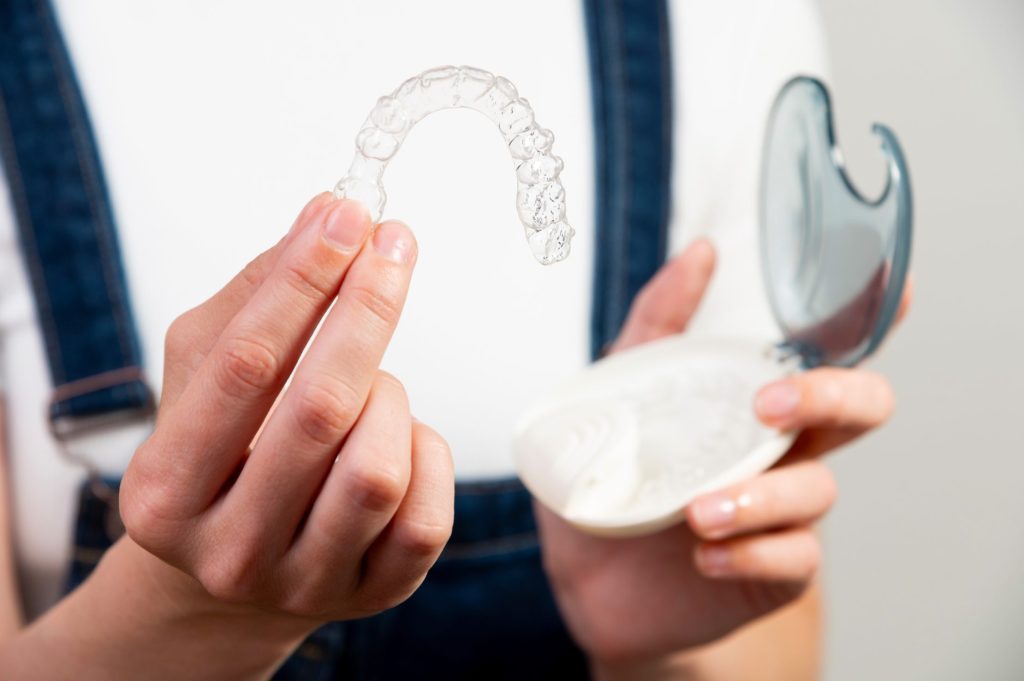
Late summer can quickly change your routine. Whether you’re packing for college, moving into a dorm, starting a new job, or getting back into school mode, your retainer might start to feel optional. You may think, “It still fits, so I must be fine.” If you’re wondering how often should I wear my retainer, you’re asking the right question at the right time.
At Camelot Dental Group in Columbus, OH, we help patients protect the results they worked hard for, whether you’ve completed braces, clear aligners, or another orthodontic treatment. Retainer wear is essential to keeping your teeth in their new positions, ensuring your smile stays comfortable, healthy, and confident for the long term.
The short answer to “how often should I wear my retainer” (and why it matters)
If your retainer still fits, that’s good news, it usually means your teeth are still close to their intended positions. Many orthodontic teams, including the American Association of Orthodontists, recommend wearing your retainer consistently after treatment, then nightly as directed.
However, there’s no universal end date for retainer wear. Your schedule depends on your individual needs, the type of retainer you have, and how your teeth respond during the retention phase. To maintain your beautiful smile, nightly retainer wear is often the best way to keep your results stable for life.
Why teeth keep trying to move back toward their original positions
Orthodontic retainers are recommended because teeth naturally tend to shift back to their original alignment. After orthodontic treatment, the soft tissue and fibers around each tooth need time to adapt, and the surrounding bone continues to remodel for some time.
Even after this initial settling period, your mouth keeps changing. Everyday chewing forces, natural aging, and bite pressures can lead to minor shifting. The lower front teeth are often the first to crowd again because they are small, close together, and influenced by the tongue and lip muscles.
“My retainer still fits” can be misleading in the first year and beyond
A removable retainer can still fit even if small changes have started. You may not notice these changes in the mirror, especially if they’re subtle or happening in the back teeth. If your retainer feels “snug,” you might assume that’s normal, but it could be a warning sign that your teeth are drifting toward their old positions.
This is especially common in the first months and throughout the first year after treatment, when your retention phase is most vulnerable. However, changes can still happen long-term. Teeth can continue to drift gradually unless you use your retainer consistently and realistically for your daily routine.
Retainer wear expectations: what “nightly” really protects
Nighttime wear helps your teeth maintain their corrected alignment over time. Think of your retainer as a gentle guide that reminds your smile where to stay. Regular wear keeps your front teeth aligned, supports a comfortable bite, and reduces the likelihood of needing additional orthodontic treatment later.
If you’re deciding how often to wear your retainer, focus less on whether it “still fits” and more on whether you’ve built consistent retainer wear into your life. When it becomes a small habit, it feels like second nature and fits easily into your bedtime routine.
Types of retainers and how they affect your wear schedule
At Camelot Dental Group, we customize retainers to match your smile, bite, and lifestyle. The main types of retainers include clear retainers, traditional Hawley retainers, and permanent options. Each type can protect your results effectively if it fits properly and you follow your retention plan.
Clear retainers, such as the popular Essix style, are discreet and smooth, making them easy to wear. Hawley retainers use an acrylic base with a metal wire across the front teeth and can be adjusted over time. Fixed retainers, also called permanent retainers, use a thin wire bonded to the back of your teeth, often along the lower front teeth, and stay in place day and night.
Do I really need nightly wear if I have a fixed retainer?
A fixed retainer is a great solution for consistent wear because you don’t have to remember to put it in. The thin wire bonded to the back of your teeth helps prevent specific teeth from rotating or crowding, especially in the lower teeth. Many patients appreciate the peace of mind of not having to think about nighttime wear.
However, you still need to maintain good oral hygiene and regular checkups, as plaque can collect around a fixed retainer. Some patients also use a removable retainer alongside a fixed retainer for added stability, depending on their orthodontic history and tooth positions. Your dentist can help determine the best approach for your situation.
How to tell if your retainer routine is slipping in a risky way
Missing a night or two during travel or a busy week isn’t a cause for panic. What matters is the overall pattern. Inconsistent wear can make minor shifting more noticeable. If your removable retainer feels much tighter than usual, it’s a sign your teeth are pushing against the tray to return to their old alignment.
Other signs include floss feeling different between your lower front teeth or your bite feeling slightly “off” when you close. Wisdom teeth coming in can also add pressure and contribute to crowding for some people. A quick evaluation can clarify what’s happening and how to protect your progress.
Proper care helps your retainer fit comfortably and last longer
A clean, well-cared-for retainer is easier to wear consistently. Clear retainers can warp if cleaned improperly, which can affect their fit. Keep your routine simple: rinse after wearing, brush gently, and store it safely.
Use a soft toothbrush and mild soap or a retainer cleaning solution recommended by your dental team. Avoid hot water, as it can change the shape of clear retainers. If you wear a fixed retainer, flossing is even more important. A floss threader can help you clean under the wire, keeping your gums healthy and your retainer secure.
Getting back on track: an easy way to rebuild a wear schedule
If you’ve fallen out of a routine, restarting is usually stress-free. Commit to nightly retainer wear and anchor it to your daily habits, like brushing your teeth or washing your face. Keep your retainer case in the same spot every night to avoid losing it during busy mornings or late nights.
If your retainer feels too tight, don’t force it. Schedule an appointment so we can check the fit and create a comfortable retainer-wear plan. In some cases, you may need a replacement retainer if the old one is worn, cracked, or no longer matches your tooth positions.
Protecting the results you earned with orthodontic treatment in Columbus, OH
You’ve invested time and energy into your smile, and it deserves ongoing support. Retainers help prevent teeth from sliding back to their original positions, making your results easier to maintain year after year. Consistency ensures your smile stays predictable, comfortable, and worth protecting.
If you’re still wondering how often to wear your retainer or need help choosing between types of retainers, our team at Camelot Dental Group is here for you. We can review your retainer use, check for minor shifting, and help you feel confident about a realistic wear call us at 614-482-3356 to schedule that fits your life.